
Who Told You the Seat Was Yours?
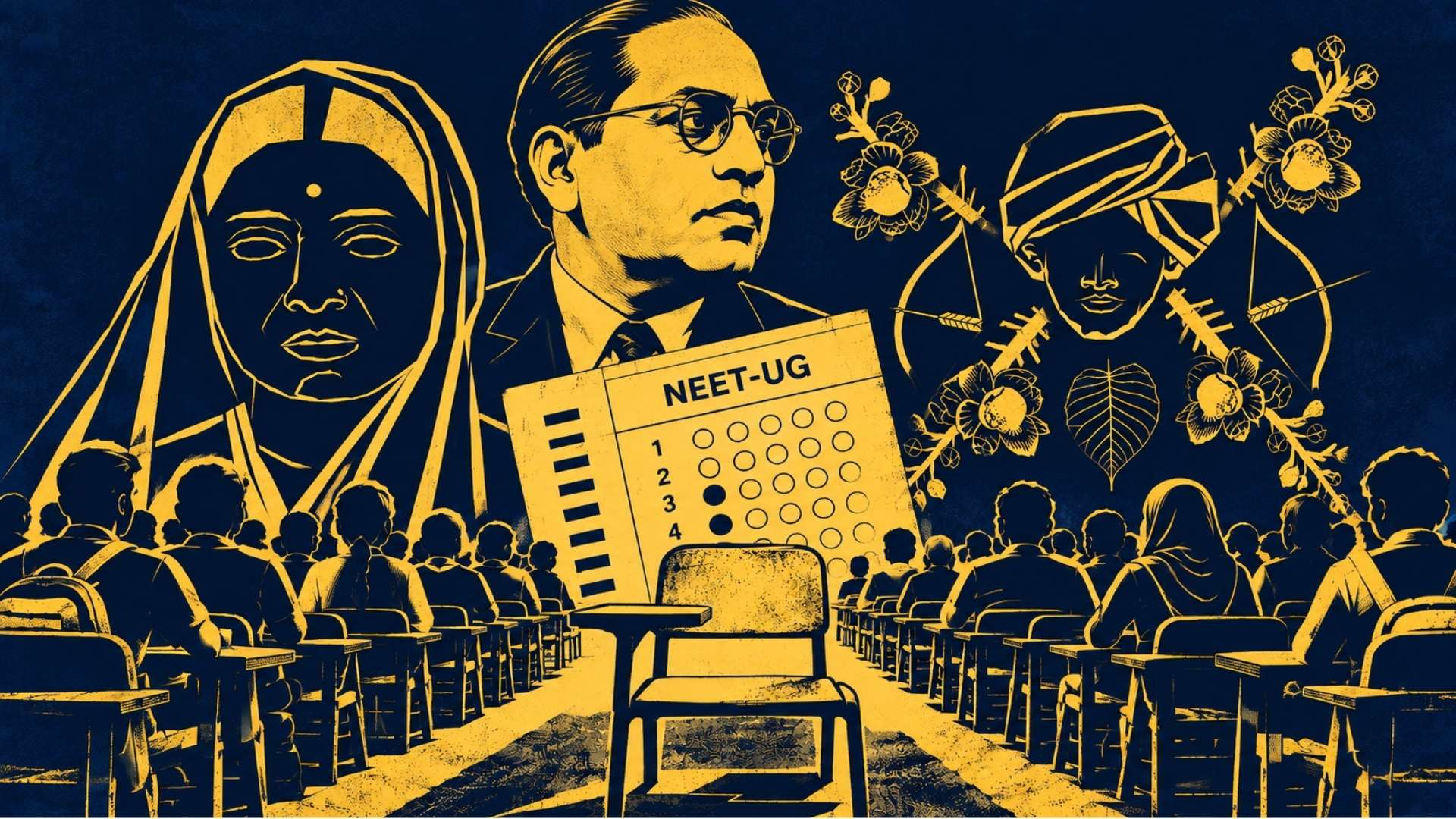
More than two million students compete for medical seats through NEET-UG. The number of students is much larger than the number of medical seats. So even without reservation, most students would still not get a medical seat.
Yet, the anger is often directed at the student who gets a reserved seat.
That student did not create the shortage of seats.
Reservation in India exists in the context of a long history of caste-based exclusion. The Constitution of India itself provides special provisions for disadvantaged communities.
For centuries, caste affected people's education, occupations and social position. The Dr. Ambedkar Foundation records the discrimination Ambedkar himself faced because he belonged to a caste treated as “untouchable”.
This is why Ambedkar wrote in Annihilation of Caste that caste was not simply a division of labour. It was a “division of labourers.” He argued that caste could decide a person's work based on their parents' social position rather than their ability.
And this makes the word “merit” complicated.
A student who has good schooling, expensive coaching, educated parents, financial security and social networks does not necessarily start from the same position as a student who has none of these advantages. Current NITI Aayog research also notes that caste and social background continue to affect access to education.
Marks can measure performance in an exam.
They cannot measure everything a person carried into that exam.
This does not mean reservation should never be questioned. It means we should question the whole system, not only the person who benefits from reservation.
And perhaps the most uncomfortable question is this:
If you want a merit-based society, are you ready to question the advantages you inherited before you were even born?
Liked this story?
Discover more voices from the Dalit storytelling archive — reflections, struggles, and steps to transform our future.
Browse all stories