

Comments
Highlight color
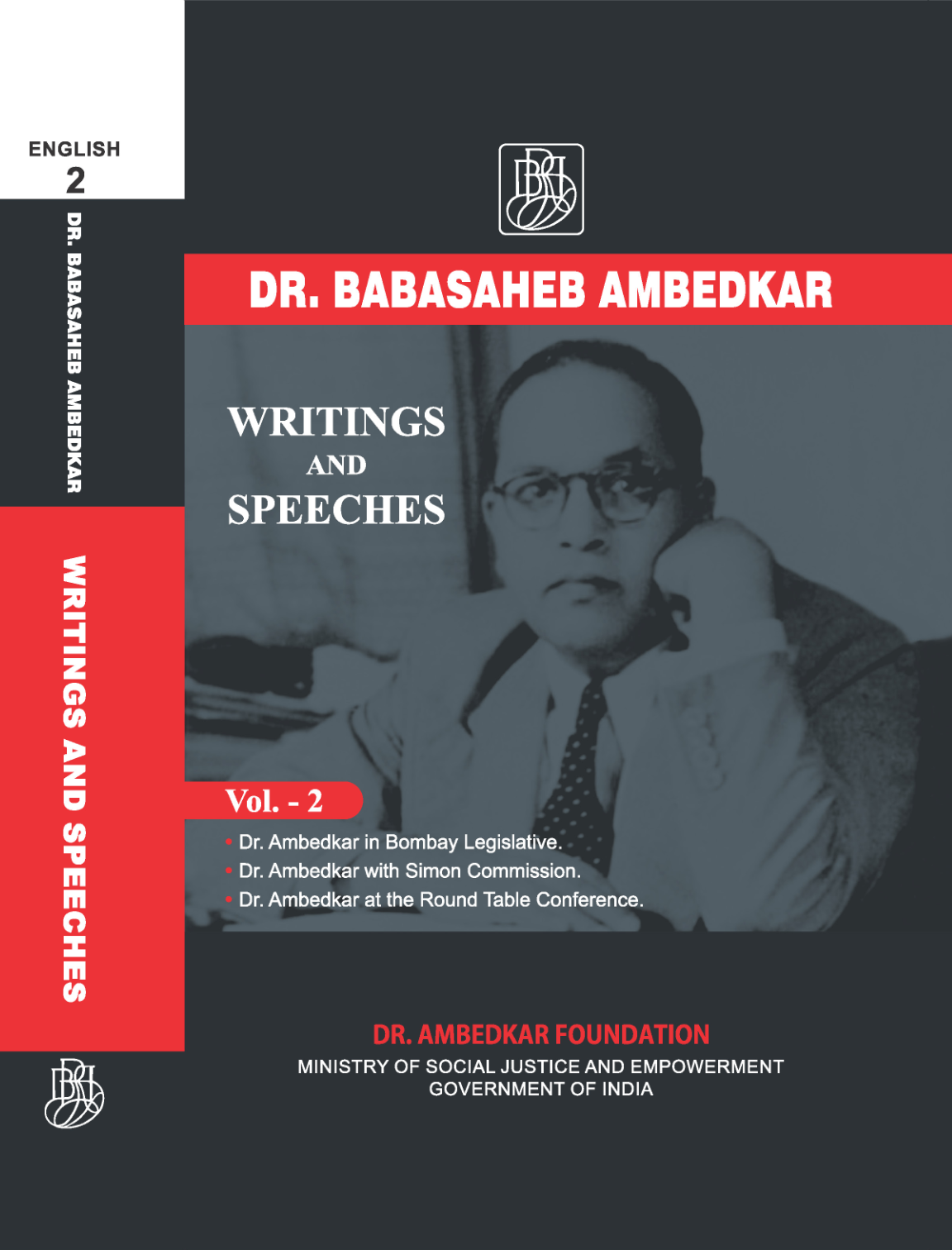
This volume focuses heavily on Ambedkar’s most famous and polemical work, “Annihilation of Caste” (1936), along with his related writings, speeches, and correspondence from the mid-1930s to the early 1940s. It captures a crucial period where his critique of Hindu society, caste oppression, and religious orthodoxy reached its sharpest expression. The central piece, Annihilation of Caste, was originally prepared as a speech for the Jat-Pat Todak Mandal conference in 1936, but it was never delivered because the organizers objected to its radical content. In this text, Ambedkar launches a systematic attack on the caste system, arguing that social reform must precede political reform if India is to achieve genuine democracy. He emphasizes that Hindu scriptures, such as the Manusmriti, are the foundation of caste hierarchy and must be discarded if social equality is to be realized. His prescription is not reform within Hinduism but a rejection of its authority altogether. The volume also includes Ambedkar’s powerful exchange with Mahatma Gandhi over caste and untouchability. Gandhi, writing in Harijan, defended Hinduism as reformable, while Ambedkar insisted that its scriptural foundation was inherently oppressive. This public debate highlighted the ideological gulf between the two leaders on the question of caste reform. Ambedkar’s replies remain some of his most forceful arguments against superficial reforms that fail to uproot structural inequality. Other writings in this volume address social reform, religious conversion, and the role of law and politics in creating a just society. Ambedkar urges Dalits to educate themselves, unite, and seek liberation not by appealing to upper-caste goodwill but by asserting their dignity and rights. His reflections here anticipate his later move toward Buddhism as a liberating faith. The volume illustrates Ambedkar’s dual role as a rigorous scholar and a fearless activist. He marshals historical, legal, and sociological evidence to critique the caste system while also mobilizing oppressed communities to reject servitude. His style is polemical, uncompromising, and deeply moral, rooted in the conviction that democracy without social equality is hollow.